THE INNER GAME OF BASKETBALL
At 6:12 a.m., the gym is silent except for the echo of a single bounce. No crowd. No music. Just repetition.
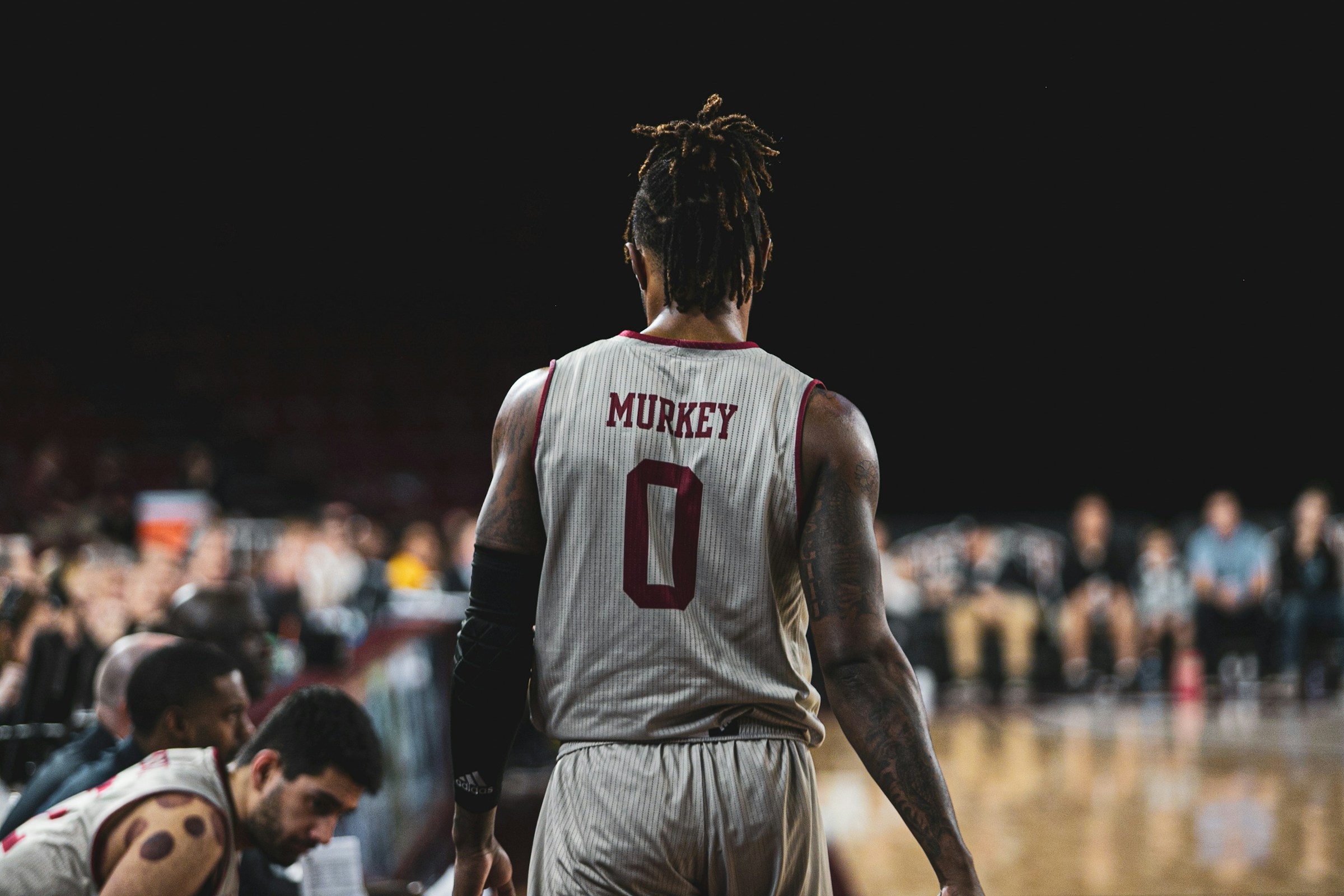
This is where Marcus Cole starts every day — before highlights, before headlines, before the game demands speed.
Basketball is chaos disguised as structure. Ten players moving at once, reads changing by the second, decisions made in fractions of time most people never feel. What separates good players from great ones isn’t vertical leap or wingspan. It’s how calm the mind stays when everything accelerates.
“The game gets loud,” Cole says. “The best moments happen when I don’t.”
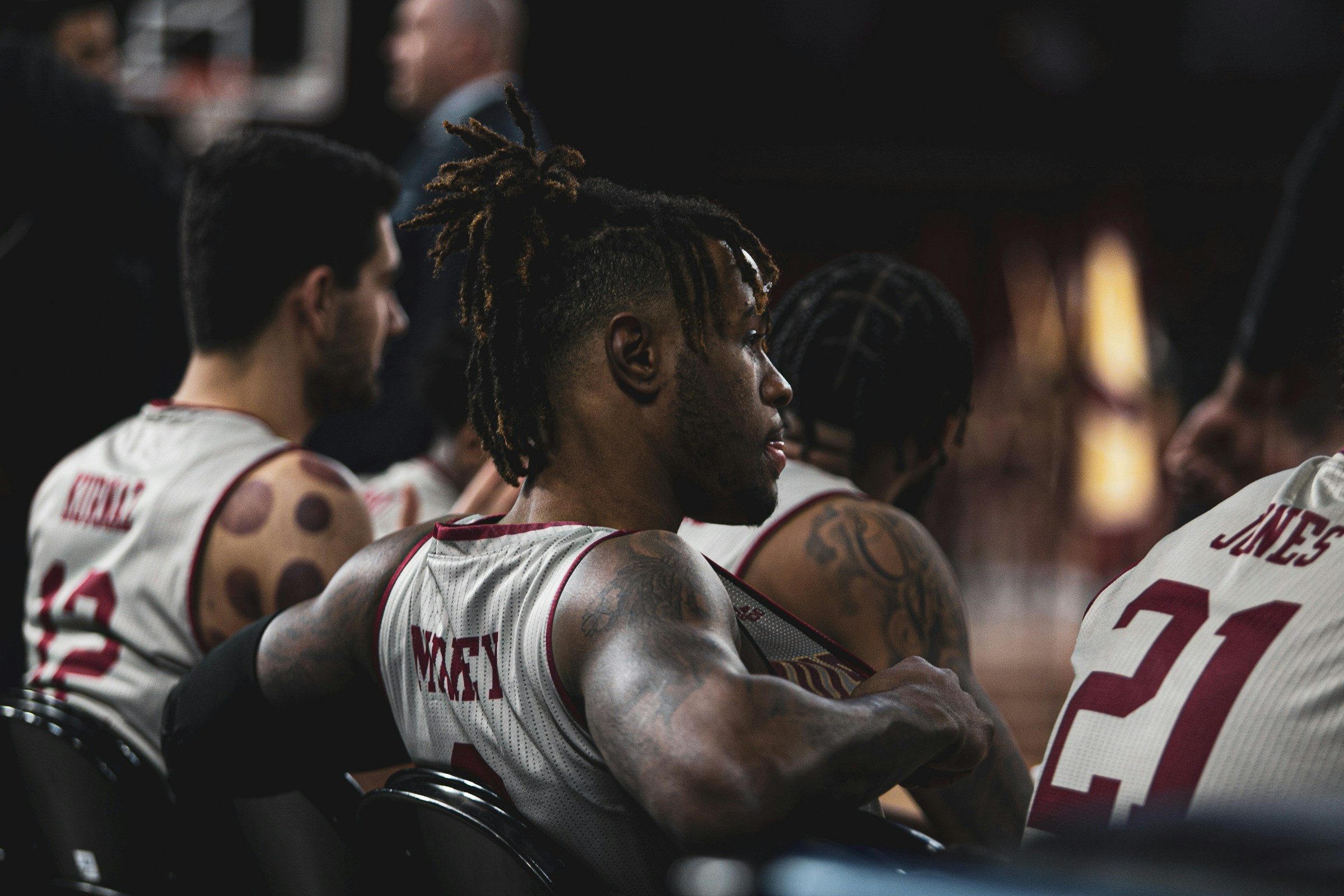
Cole’s skillset is polished, but his advantage is internal. He treats focus like footwork — something that must be drilled daily or it disappears.
Before any workout, before any ball-handling or shooting session, he sits alone on the baseline. Five minutes. Eyes closed. Visualizing possessions that haven’t happened yet: a late switch, a double team, a rushed defender leaning the wrong way.
Sports scientists call it anticipatory cognition — training the brain to stay one step ahead. Cole calls it playing the game before the game.
His preparation is precise, stripped of distraction:
- Weighted shooting routines to maintain touch under fatigue
- Reaction-light drills that simulate defensive pressure
- Wearable performance trackers measuring recovery and decision speed
None of it is flashy. All of it is intentional. In basketball, control isn’t about domination — it’s about timing.
LEGACY BEYOND THE BUZZER
Cole doesn’t measure success by points alone. He measures it by possessions won quietly — the extra pass, the defensive rotation that never shows up on tape, the calm free throw when noise peaks.
Basketball will always reward speed. But it remembers those who can slow the moment down.
And when the clock is loud, when legs are heavy and the margin is thin, that’s where focus lives — steady, trained, and ready to decide the game.


.webp)