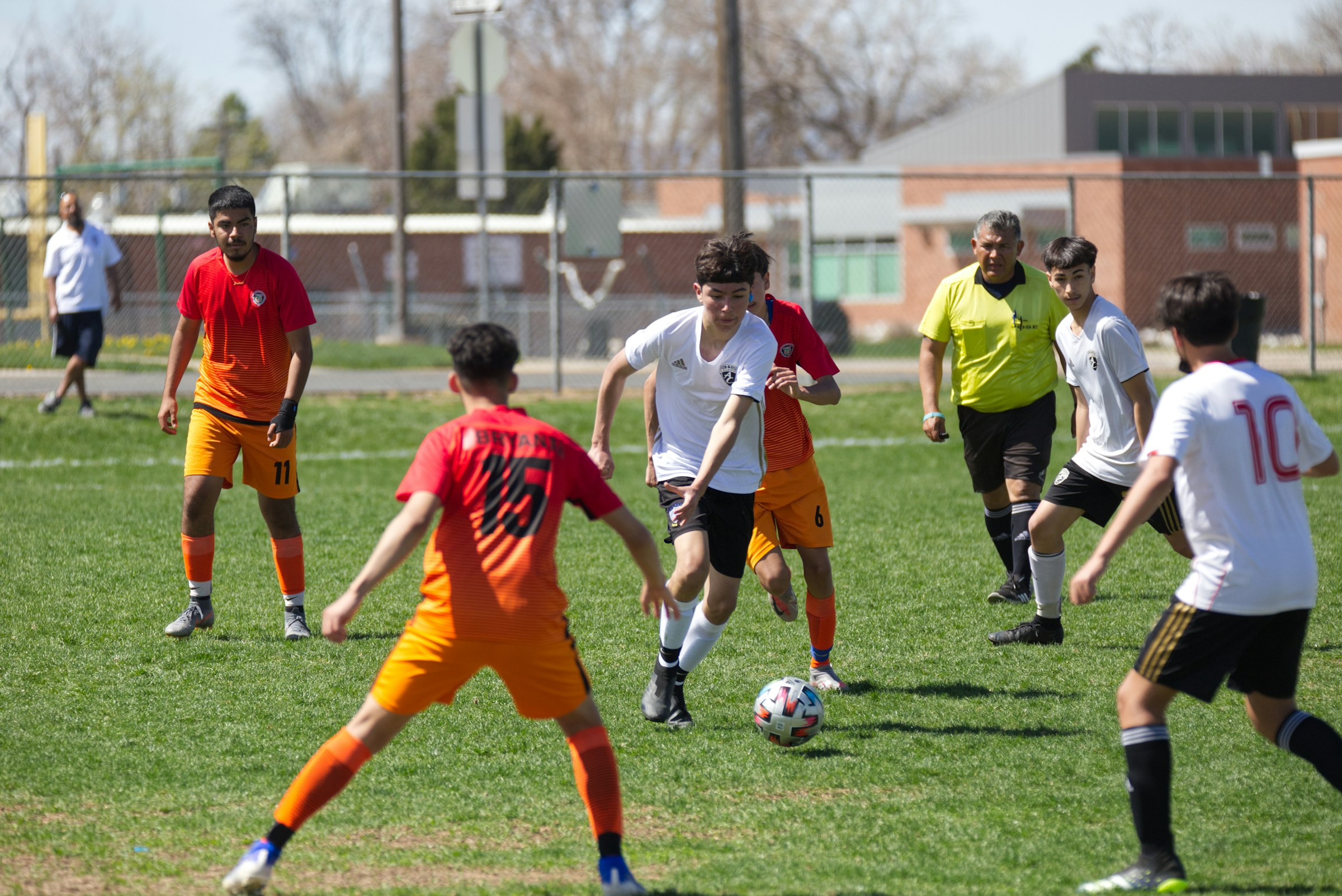
WHERE PASSION MEETS PRACTICE
On a crisp Saturday morning, the field feels enormous. Not because of its size, but because of all the possibility it holds.
Under the amber glow of early sun, a group of young footballers sprint, pivot, and burst through cones set in precise patterns. Their cleats crunch the turf like a collective heartbeat — rapid, eager, relentless.
This isn’t playtime. This is where the next generation learns that skill isn’t gifted — it’s engineered with intention.
“For most of them,” says coach Javier Morales, “the ball’s been a friend since they could walk. But friendship alone doesn’t make a player — discipline does.”
Here, on youth pitches around the country, young athletes are learning that football is less about luck and more about controlled movement, vision, and reaction.
THE FOUNDATION: FOOTWORK FIRST
Talent gets attention. But in modern football, precision footwork is the foundation that elevates a play into a moment.
The drills are deceptively simple:
- Tight-space agility sequences to master quick pivots
- Rhythm dribbling patterns that sync mind and movement
- Progressive ball control exercises that demand awareness, not instinct alone
These are not playground games — they are intentional repetitions designed to instill habits before muscle memory takes over.
Coach Morales explains, “If a player can control the ball without thinking, then on match day they can think faster than everyone else.”
Part of the discipline is mental too. Young players are encouraged to:
- Visualize plays before execution
- Stay present during each touch
- Reflect after every drill, not just run it
This combination of focus and fire fuels improvement faster than raw speed ever could.
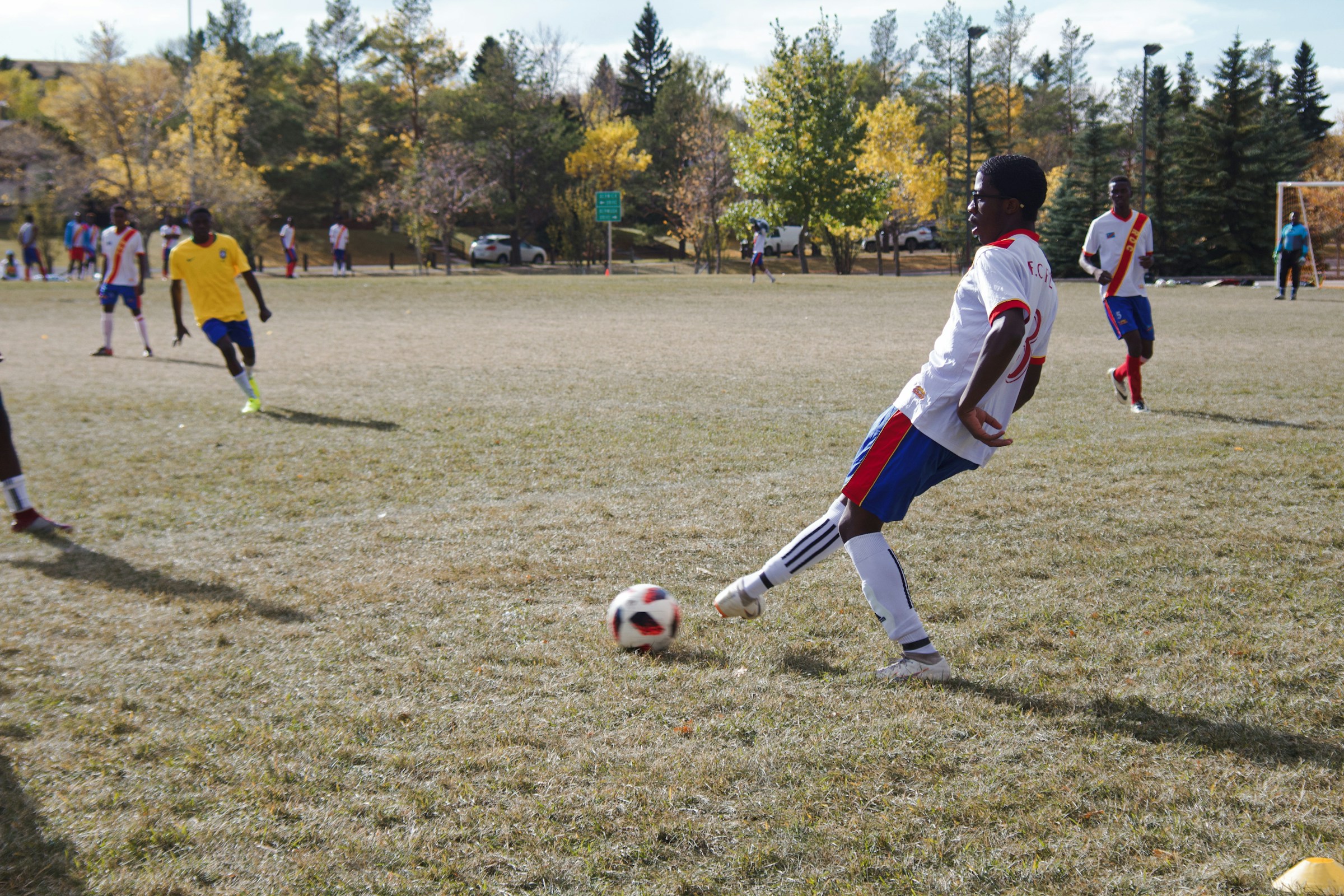
BUILDING RESILIENCE ON AND OFF THE BALL
and that’s where the discipline pays off.
These future ballers are taught:
- Composure under aggression
- Decision-making at pace
- Confidence when the ball is hot and the moment is hotter
Morales says the best sign of progress isn’t a perfect dribble — it’s a player who rises after a mistake, learns quickly, and stays hungry.
“Football isn’t forgiving,” he says, “but it rewards those who ask for more from themselves.”
LEGACY IN EVERY STEP
You don’t become a footballer overnight. You become one training session by training session — through sweat, repetition, and a willingness to face discomfort.
Today’s young players aren’t just learning how to move — they’re learning why every touch matters.
Because on the field of dreams, it’s those unseen moments — the footwork, the discipline, the repetition — that shape not just future stars, but future leaders of the game.




.webp)